
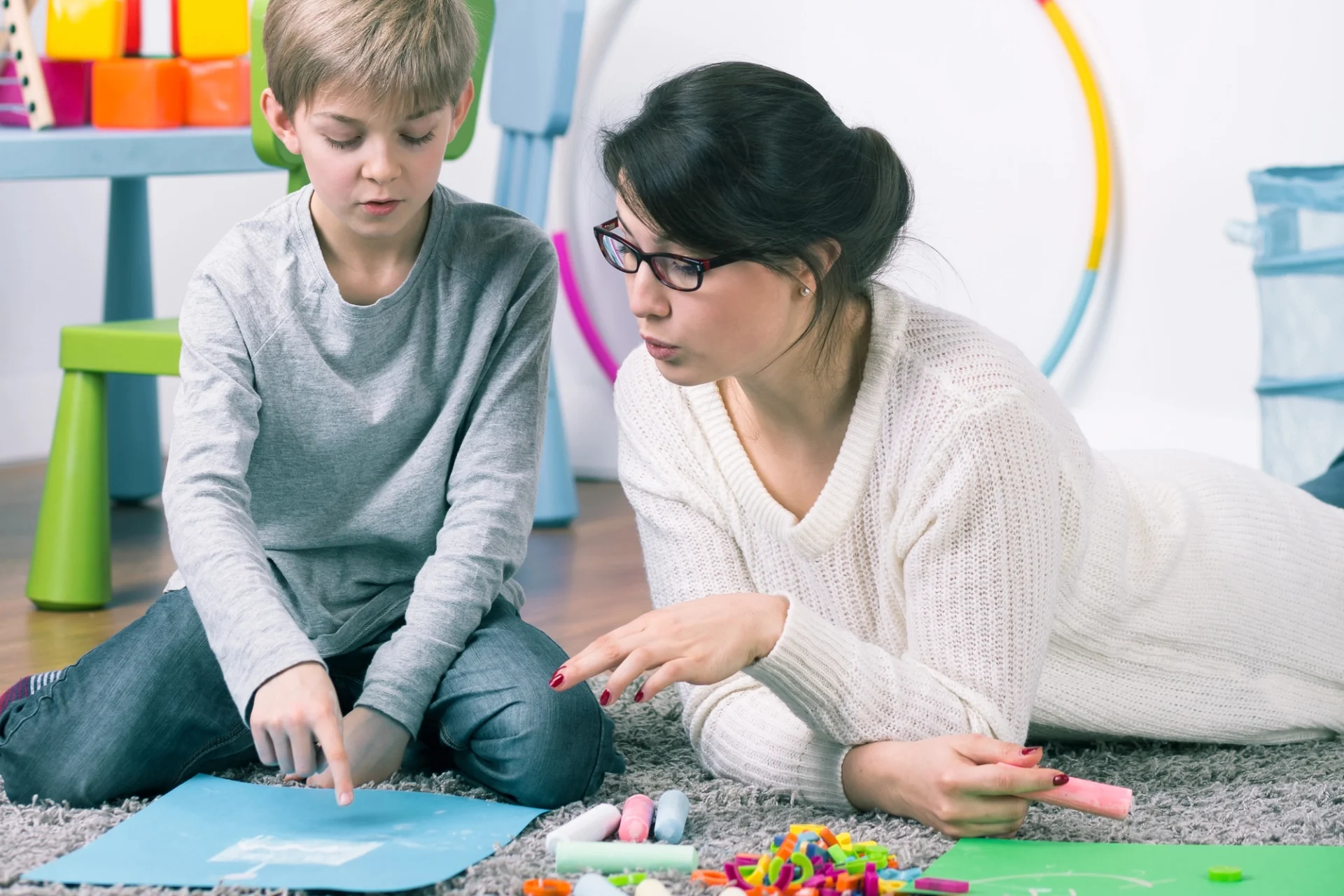
Play Therapy is a unique form of child therapy that uses play as the primary medium to help children express their emotions, communicate their experiences, and work through challenges. It is based on the understanding that for children, play is their natural language, and toys are their words.
What is Play Therapy?
Play Therapy provides a safe, structured, and consistent environment where children can explore their inner world. It helps them to process emotional and behavioural challenges by giving them a way to “speak” through play when they may lack the verbal skills to do so. The core focus is on the child’s experience, providing them with a sense of control and mastery in a supportive space.
How Does Play Therapy Work?
Play Therapy sessions involve a wide range of materials and activities designed to:
- Provide a safe space for expression: The therapist creates a trusting environment where the child can feel secure enough to express difficult feelings and thoughts without judgment.
- Encourage non-verbal communication: Through sand tray, art materials, and miniature figures, children can communicate and symbolise experiences that are too difficult or complex to put into words.
- Develop problem-solving skills: By working through conflicts and scenarios in their play, children can develop new ways of coping and resolving issues in their lives.
- Build self-esteem: The therapist follows the child’s lead, which helps the child build confidence, competence, and a sense of self-worth.
Who Can Benefit from Play Therapy?
Play Therapy can be beneficial for children experiencing a variety of challenges, including:
- Behavioural problems
- Anxiety and stress
- Trauma and abuse
- Grief and loss
- Difficulties with social skills
- Emotional regulation challenges
- Family transitions (e.g., divorce, moving house)
What to expect in a Play Therapy session:
- Child-Led Play: The child chooses the toys and directs the play, providing the therapist with a window into their world.
- Therapist as a Witness: The therapist provides a secure and consistent presence, observing the child’s play and reflecting on their feelings to help them feel heard and understood.
- Focus on the Child’s Process: The core focus of Play Therapy is not on changing behaviour through instruction, but on helping the child process their experiences and emotions so that they can heal from within.
| Cost | £150 |